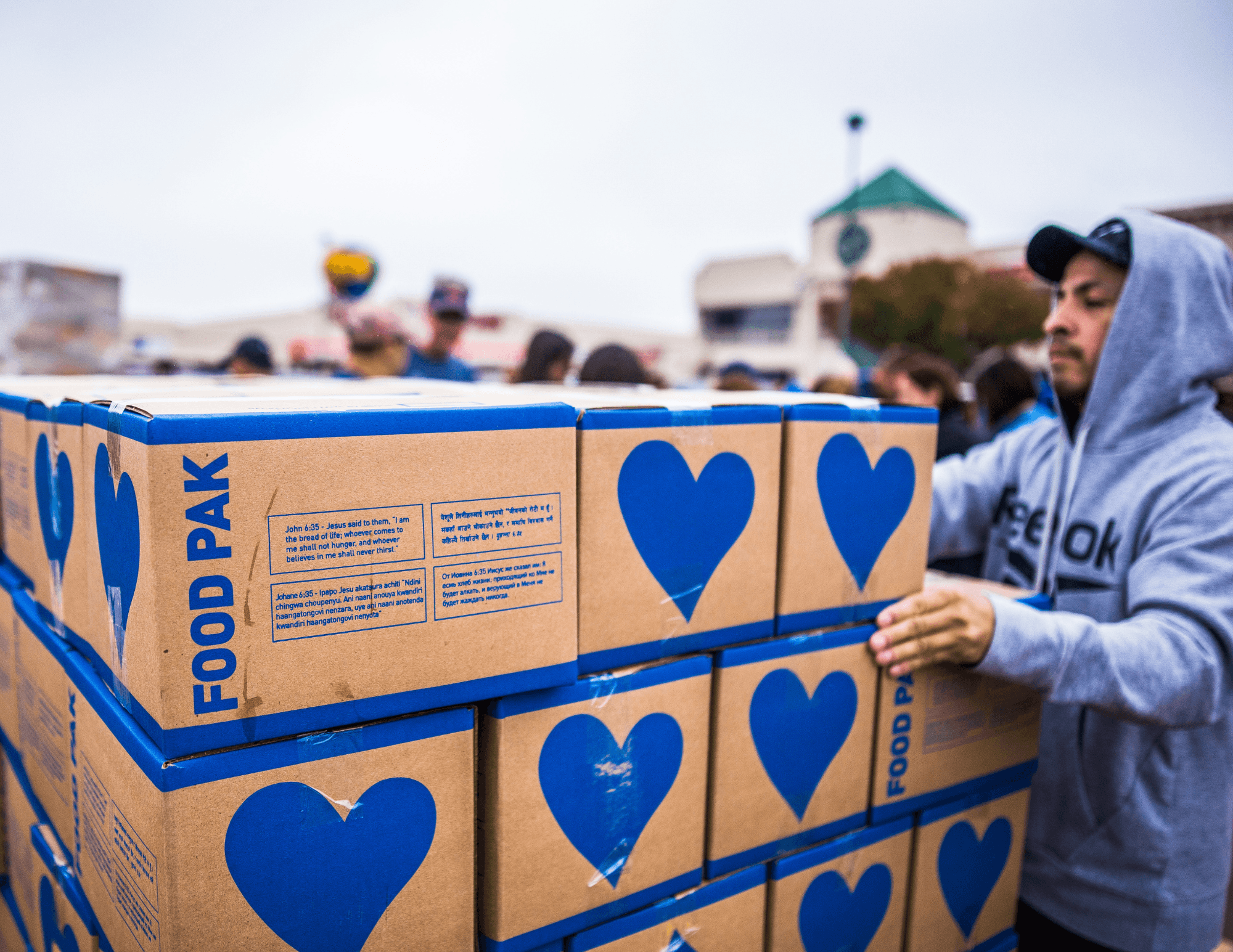
3
Countries
10,000+
Volunteers Coordinated
113,000+
People Reached
100%
Traceable, in real time
The Problem
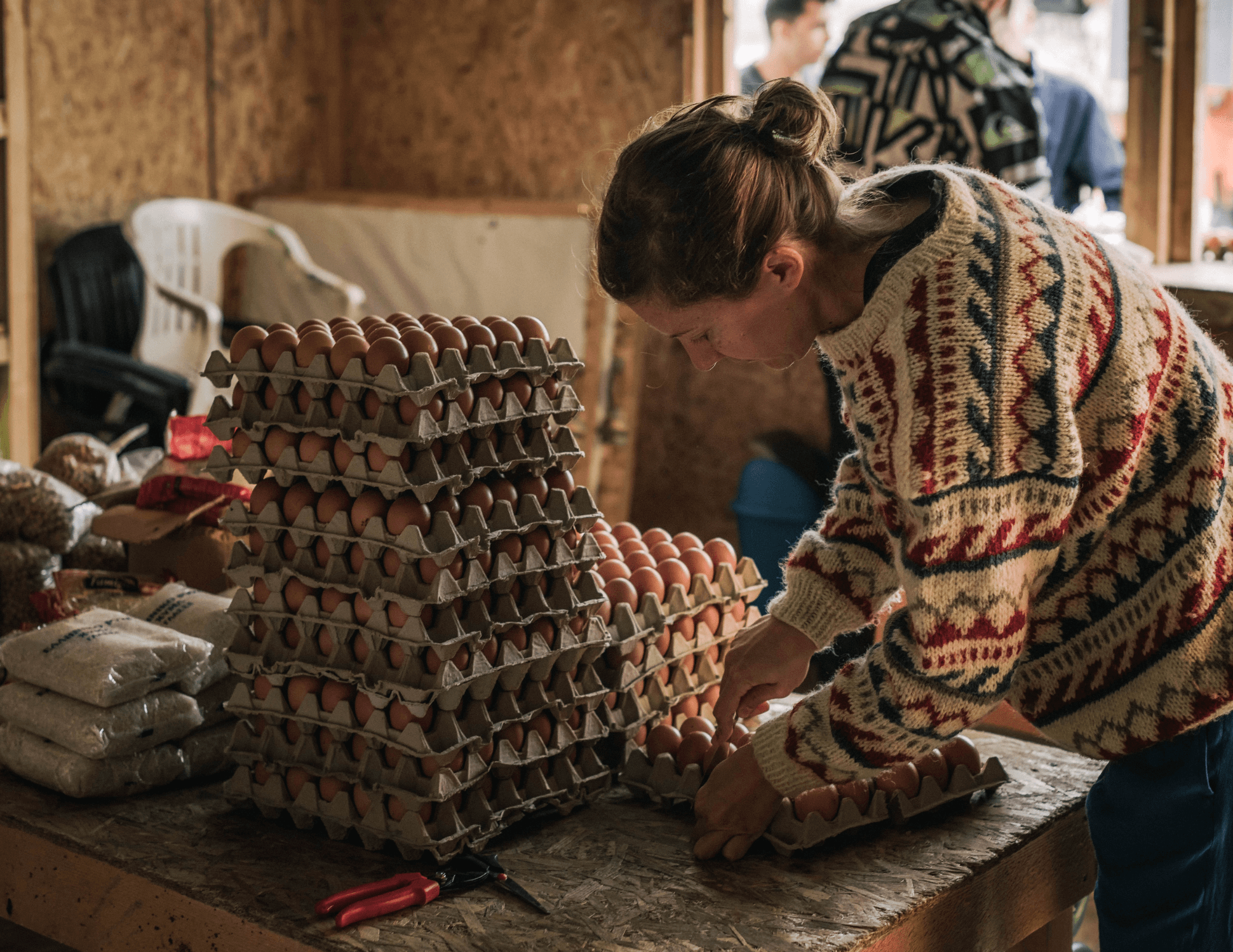
Local organisations are usually first to respond - and last to receive direct funding.
For decades, humanitarian aid has mostly worked like this: a big international organisation flies in, runs the response, and leaves when it's done. Local organisations - the ones actually based in the country, who know the community, speak the language, already have trust - often get sidelined, or are just used as small delivery partners.
"Localisation" is the industry-wide push to flip that: let local and national organisations lead the response themselves, with international actors playing a supporting role - funding, tools, backup - instead of running the show.
Boxtribute + Boxwise
Built to close exactly that gap.
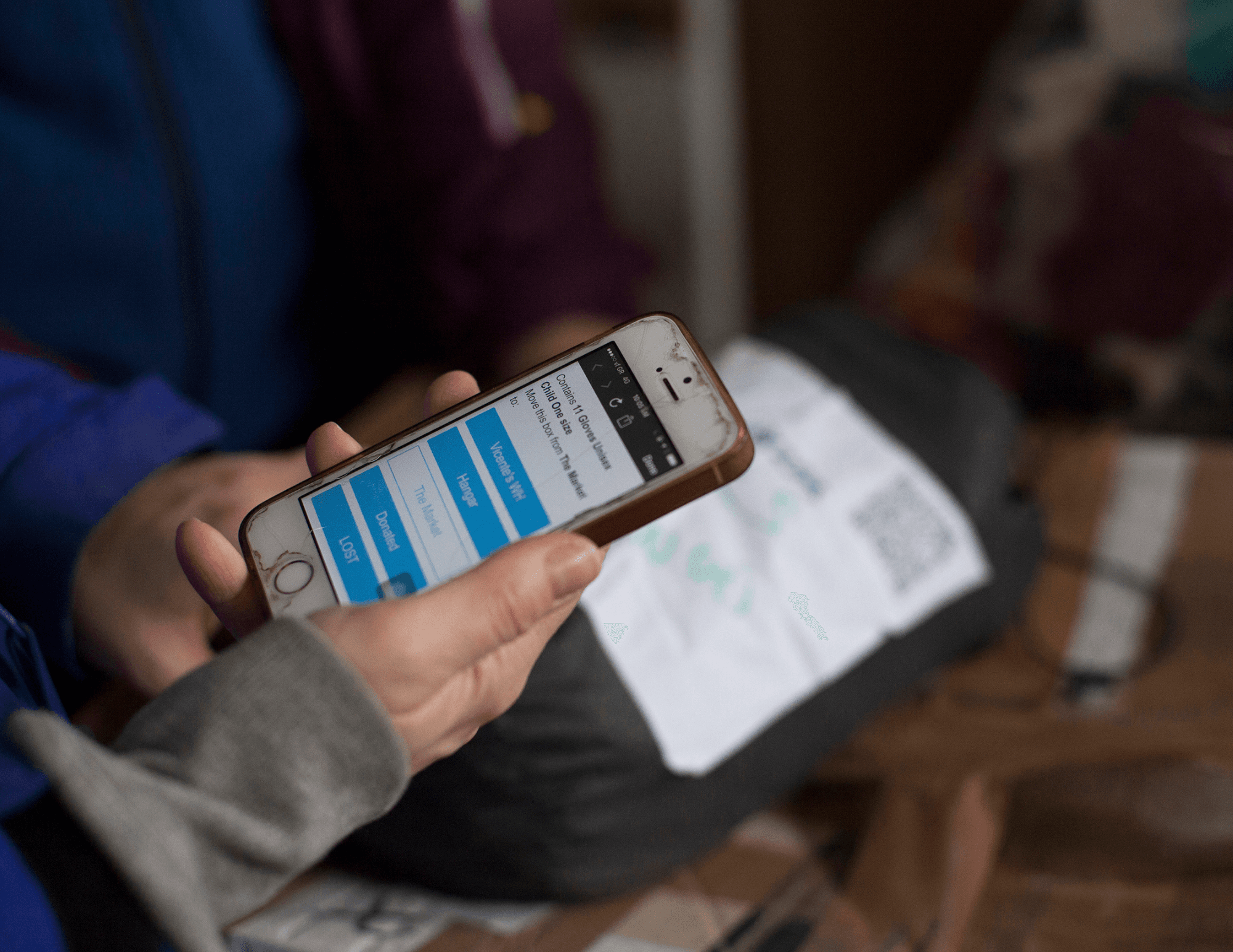
Boxtribute, built by Stichting Boxwise, brings operational experience from commercial logistics to the barriers that keep local organisations locked out of direct funding. It's an open-source digital public good that puts that thinking directly into local teams' hands: a way to track, report, and prove aid delivery in real time, without needing the infrastructure of a large INGO.
The Structural Gap
Localisation doesn't fall short only because of capacity, or because funders and INGOs don't believe it's the way forward. One major, addressable cause is structural - the accountability infrastructure that makes direct funding possible has typically only been within reach of large, well-resourced organisations. It's part of a larger gap - not a failure on either side.
01
Risk-Sharing
Donors want to share financial and operational risk with local actors - but that depends on real-time visibility that they can rely on, not periodic reporting after the fact.
02
Scale
Donors need proof that a local team can grow fast enough to meet a crisis - without losing the oversight or accountability that comes easily to larger organisations. Speed and control aren't usually treated as compatible, but they can be.
03
Efficiency
In a tighter funding climate, accountability isn't paperwork. Done well, it directly affects how much aid actually reaches the people its meant for.
Three Case Studies
What delivering on localisation actually looks like.
Three organisations, three crises, three different answers to how funders and INGOs need to see before they can share real risk with local actors.
Case Study 01 - Scale
Poland
Krakow, 2021-2024
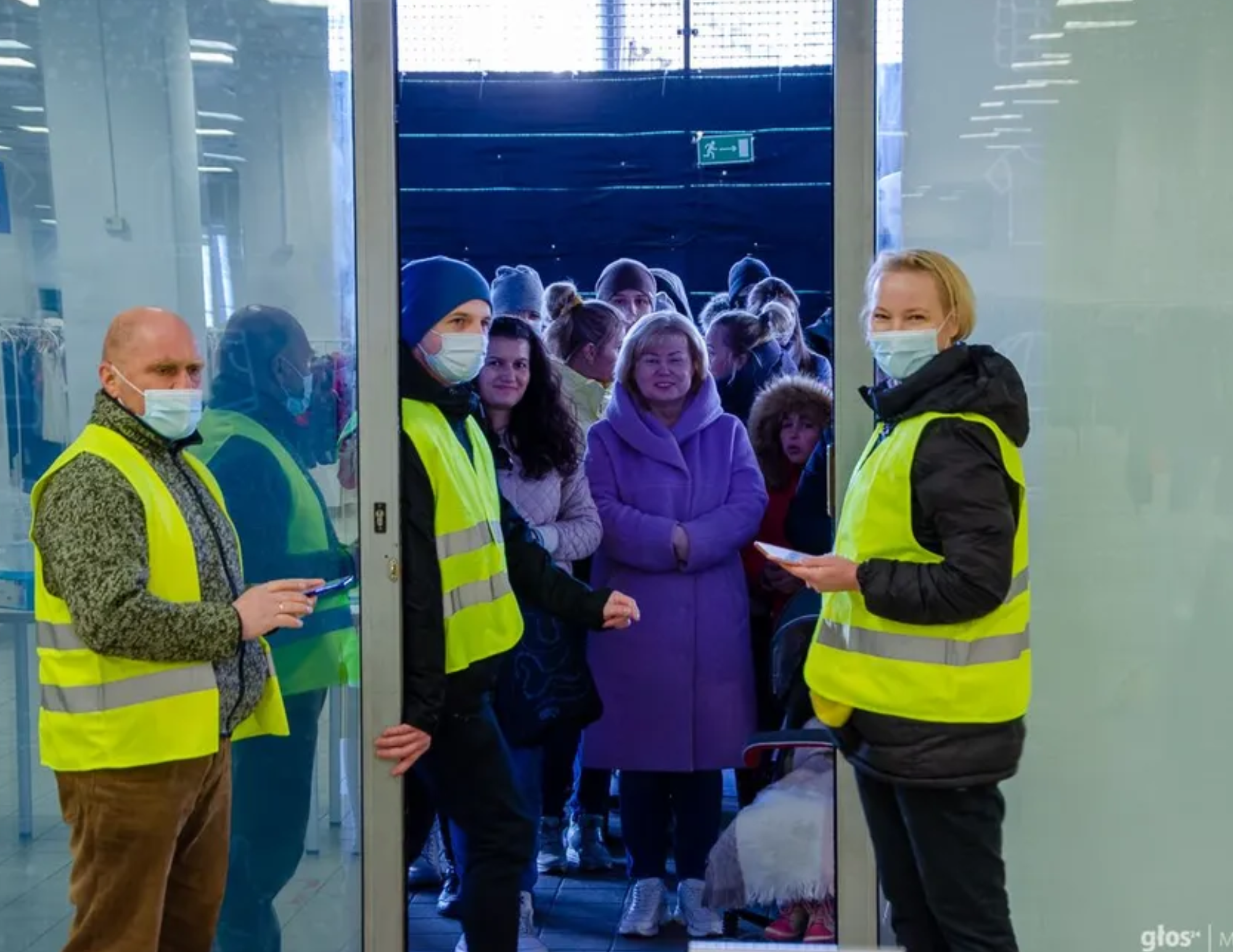
A team of eight, with no prior experience running an emergency response, scaled to reach 86,000 people within weeks - later integrated into Krakow's own municipal social protection system, under the same local leadership throughout.
Case Study 02 - Risk-Sharing
Lebanon
Bekaa Valley, since 2021
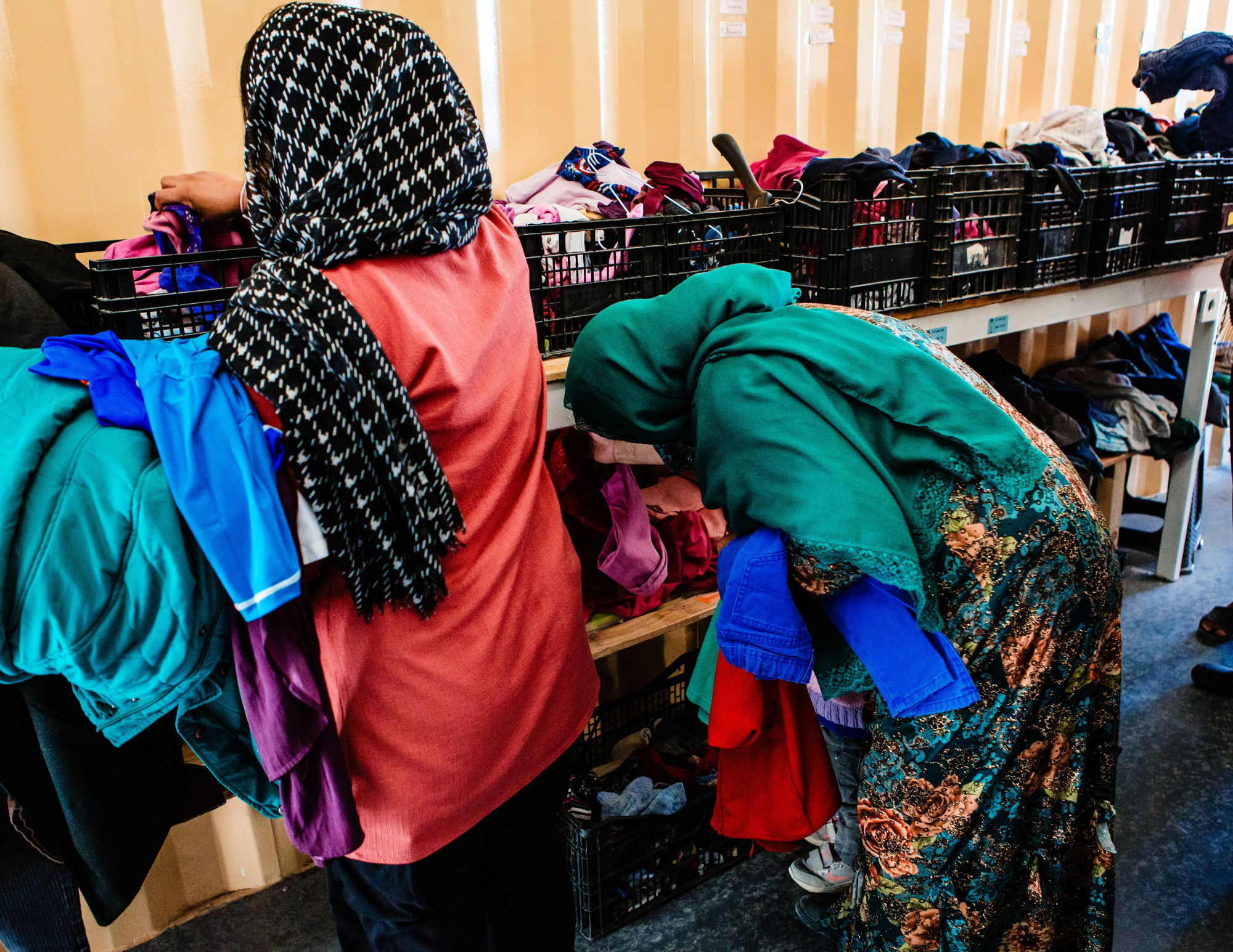
A team of four to six runs a fully traceable aid programme supporting 27,000+ people, with real-time financial and operational oversight held by a trustee based thousands of miles away.
Case Study 03 - Efficiency
Greece
Athens, 2023-2025

Rather than building a parallel supply chain, this programme worked through local shops and restaurants already serving the community - and full reconciliation surfaced 12% in additional aid that wasn't reaching people.
What could this look like for your organisation?
Whether you're a local organisation building accountable systems from day one, or a funder exploring what direct, traceable local-led aid could look like at scale - we welcome the conversation.



© 2026 Boxtribute, All rights reserved.
Data privacy: We use anonymous, cookieless analytics. No personal data is collected.